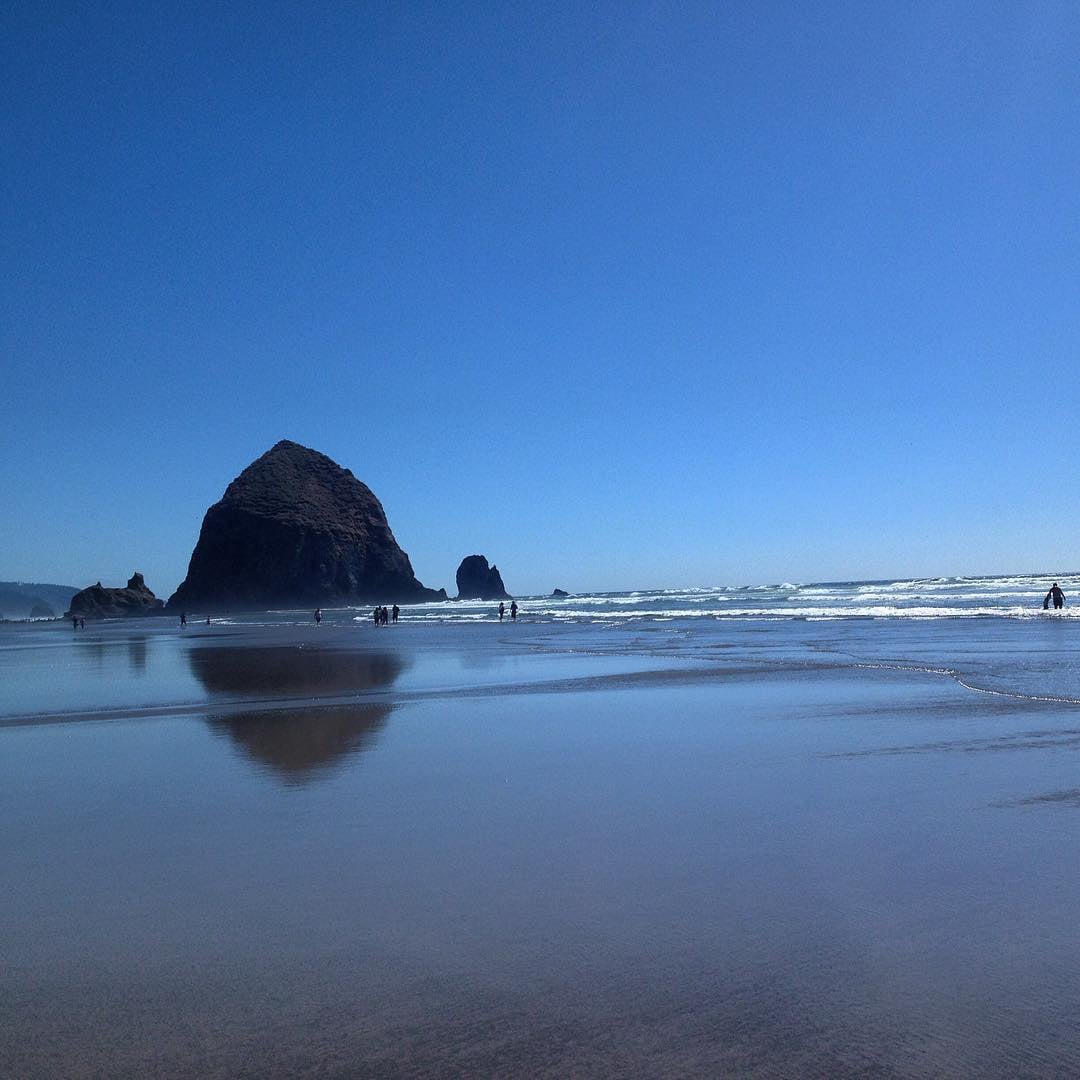
I played hooky today and took myself to the beach on a whim.
15,000 steps of beach walk therapy felt so good.
And so, here’s a letra about the sea:
How to dance flamenco, flamenco travel in Spain, flamenco dance students and their experiences, interviews with flamenco artists, translations of flamenco letras (songs) from Spanish to English
I played hooky today and took myself to the beach on a whim.
15,000 steps of beach walk therapy felt so good.
And so, here’s a letra about the sea:
It's worth posting another version of this letra.
Soleares
Popular
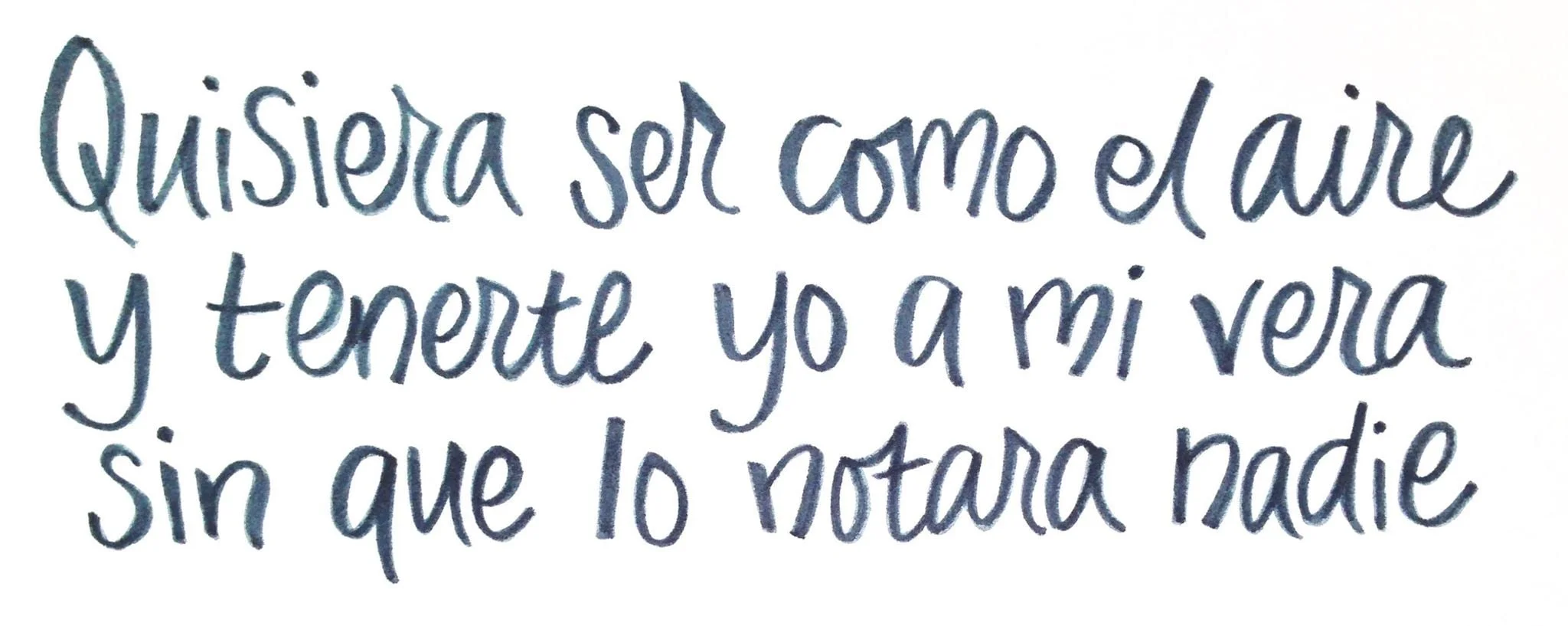
Quisiera ser como el aire
y tenerte yo a mi vera
sin que lo notara nadie
I would like to be like the air
and have you by my side
without anybody noticing
I was a junior in college and struggling through Spanish class.
The professor spoke only in español, and I hardly understood a thing.
Feeling confused, behind, and overwhelmed most of the time I did not particularly enjoy the class.
However I am full of gratitude for the experience.
You see, had it not been for this class, I'm not sure I would be dancing flamenco today.
My parents crashed the first Flamenco Tour back in fall of 2012. I'm actually glad they did.
I'll tell you why in a moment.
I declared that I was going to organize a flamenco trip to Jerez for students interested in studying in Spain with a small group.
There were some chuckles.
And then they realized I wasn’t joking. And they told me they wanted to join.
Another letra from this alegrías by David Lagos and one more video that I'm pretty positive will make your day all kinds of better as soon as you watch it.
Alegrías
David Lagos
A un lance de su capote
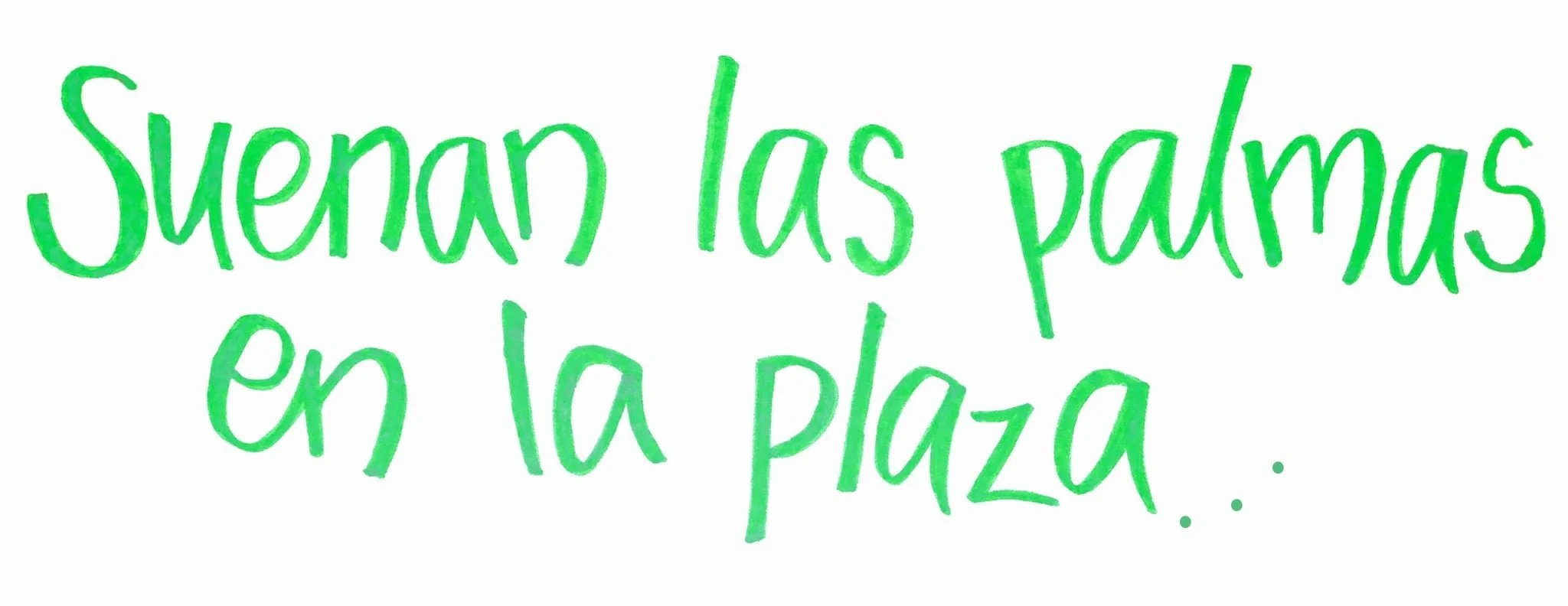
suenan la palmas en la plaza
y es que torea en la plaza
vaya torero Rafael de Paula
With a throw of his cape
the clapping sounds in the bullring
because he is bullfighting in the bullring
Wow, the bullfighter Rafael de Paula
You can hear this letra at 2 minutes 30 seconds, but I highly recommend watching the whole thing, especially one minute in when he sings his tri tri tri trans and the very end.
When is it too late to start learning flamenco? Find out below and watch a video of Mercedes Ruíz dancing as a little girl along with a bulerías clip from Carlos Saura's Flamenco Flamenco.
According to Mercedes Ruíz, "It's never too late do what you want to do." Sure, she began dancing flamenco at the age of four, but that doesn't mean the rest of us are doomed.
I began dancing flamenco at the age of twenty three, or was it twenty two? Pat began when she was sixty nine. Becky began when she was forty four. Many of the dancers I know began in their thirties, forties, fifties, and even sixties. Many danced at a young age then stopped for various reasons only to come back to it years later.
And there is no 'retirement age' for flamenco dancing. We can leave it and come back. And we can continue dancing flamenco as long as we want to. This is something that I absolutely love about flamenco.
It is a dance for all ages.
Older flamenco dancers are in fact respected and honored. This is part of the flamenco culture. (See video clips below.)
A younger dancer may have different goals than an older dancer. And one's desires as a dancer may change over time, just as desires around all things in life will evolve.
But the bottom line is this,
Bulerías
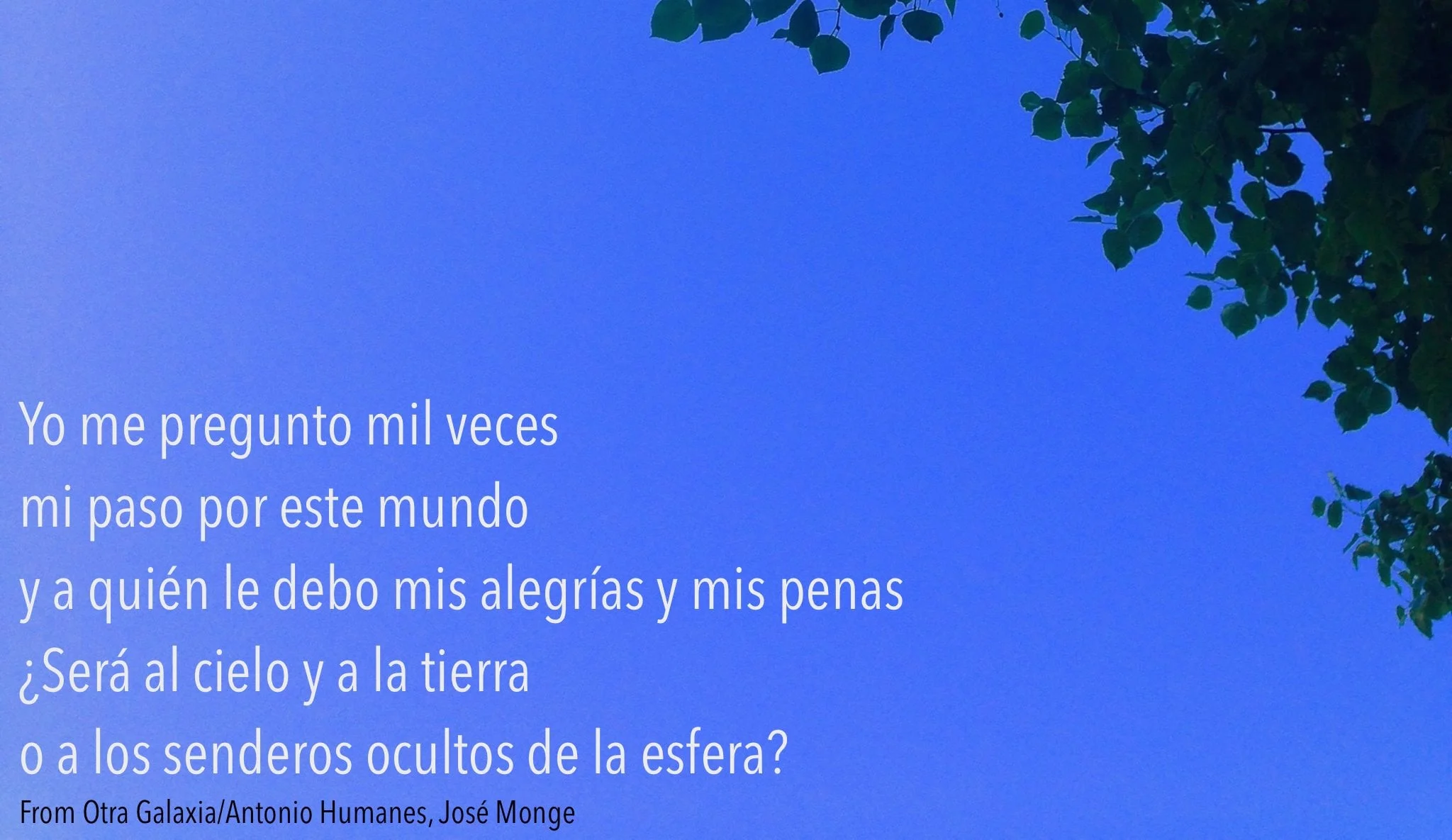
A Letra from Otra Galaxia (Other Galaxy)
Antonio Humanes, José Monge Cruz (Camarón)
Yo me pregunto mil veces
mi paso por este mundo
y a quién le debo mis alegrías y mis penas
¿Será al cielo y a la tierra
o a los senderos ocultos de la esfera?
I ask myself a thousand times
my path in this world
and to whom do I owe my joys and my sorrows,
to the sky and the land
or to the hidden paths of the globe?
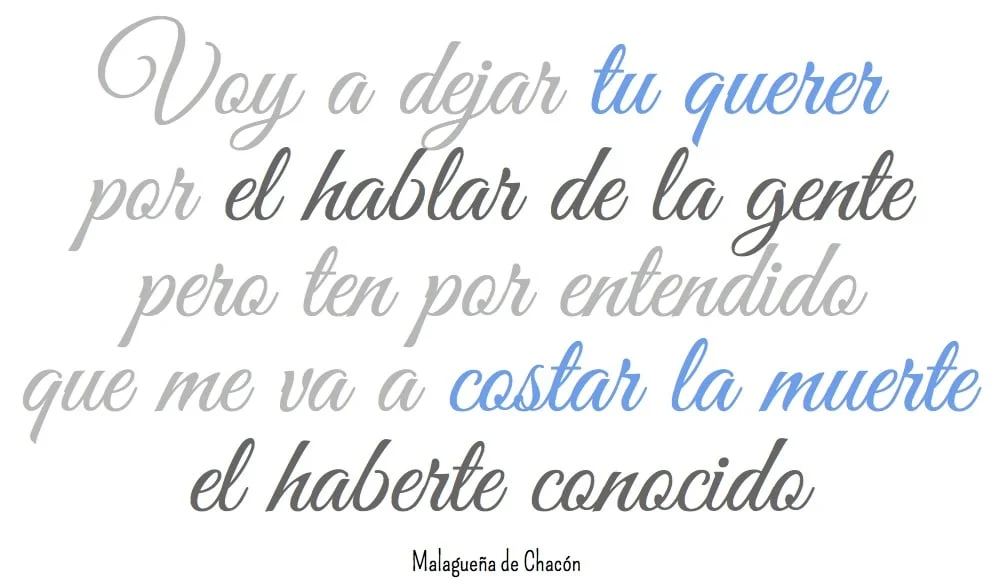
Malagueña de Chacón
Voy a dejar tu querer
por el hablar de la gente
pero ten por entendido
que me va a costar la muerte
el haberte conocido
I'm going to stop loving you
because of what people say
but understand
that having known you
is going to cost me my life
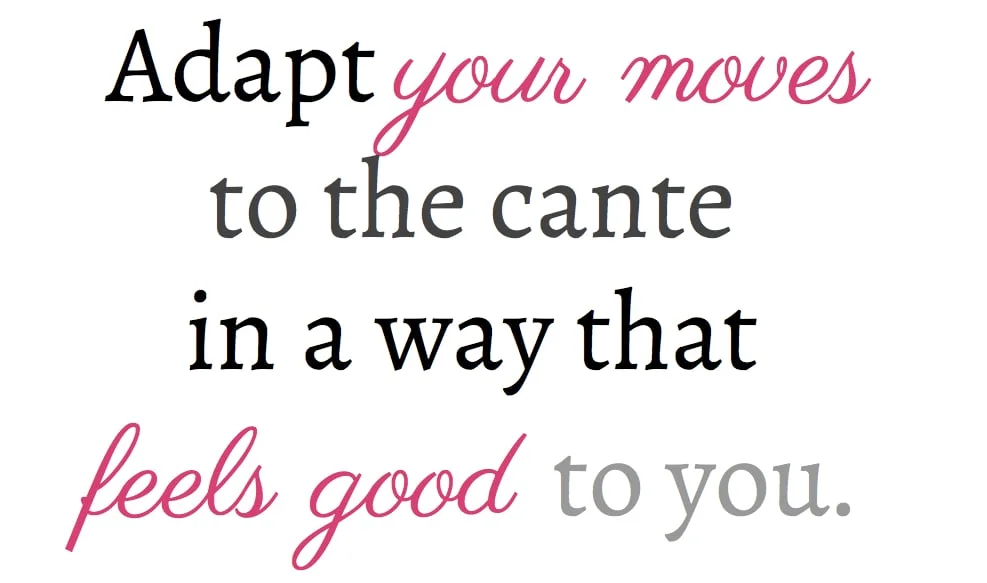
Dancing to the cante. It is what every dancer from Jerez does, professional or non.
It is the dancer conversing with the singer.
You must become familiar with the letras (song verses) and engage with the singer when dancing.
To gain familiarity with the letras:
1. Listen a lot.
2. Take a cante class, and study the letras.
To engage with the singer when dancing:
1. Observe what other good dancers do. (Hint: Notice the way Carmen responds to José in the video.)
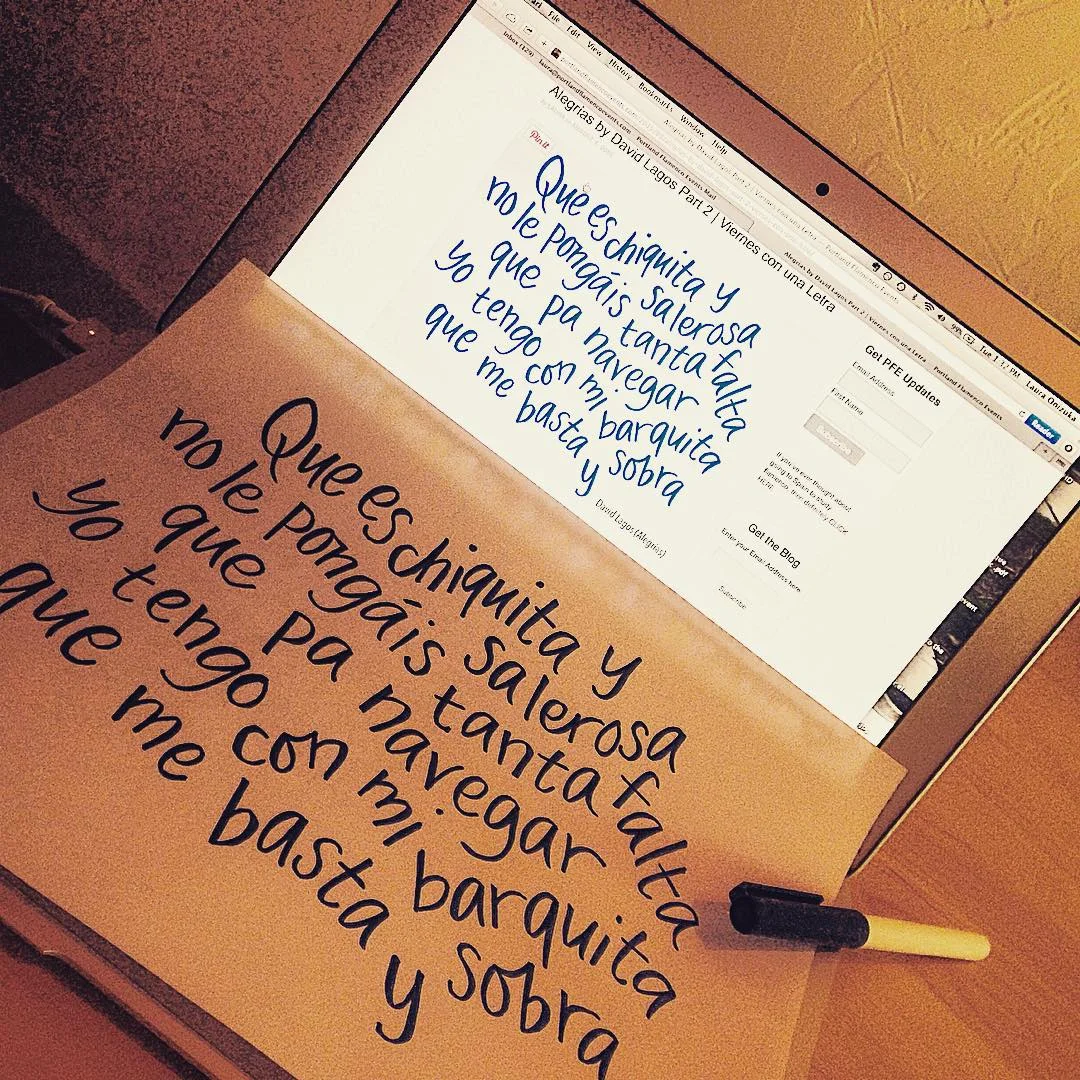
Awhile ago I posted the first letra of this alegrías by David Lagos along with an unbelievably wonderful video of him singing it live accompanied by his brother Alfredo Lagos. Today find a couple more not to be missed videos of David performing it, along with the first letra. One is him live in Cádiz, and the other is him singing for Mercedes Ruíz dancing in a bata de cola during a rehearsal.
Que es chiquita y salerosa
no le pongáis tanta falta…
It’s the final day of the Mini-Challenge and time to step things up a bit. That's right, today things get harder. But sometimes harder can be more fun.
And I think you'll find that to be true with this final activity which is all about creation . . .
Today’s exercise comes directly from our imaginary teacher of the week, David Romero.
David says coming up wtih a step is easy, You just have to do the work.
In other words, it’s not hard as long as we're willing to put forth effort.
(You can hear him talk about this six minutes thirty seconds into his video interview.)
Below, find out how to make up your very own flamenco step by following David's exact advice. (Well, along with a few additional suggestions from me.)
Today I'm going to show you how to learn from a favorite artist of your choosing. Read on to find out how.
David Romero says that we learn from all of the people we study (or work) with. That we hold onto the best bits from each person, that which we like,
Llega un momento en que naturalmente salen cosas en que tú dices, uy, esto por qué? Porque tú ya lo has vivido o la has visto o te lo han explicado.
“A time comes when things start happening naturally. You start doing things, and you say, “How did this happen?”
The process happens over time, David says. After a lot of dancing, a lot of studying, a lot of practicing, your body begins to change.
"And this is good.” he says. “It should change. Because if someone doesn’t change when dancing . . . What are we going to do? There has to be an evolution. And that comes from learning from all of the people who you study with, or all of the people who you work with, and all of the people who you admire.
Woo-hoo, you’ve made it to day three of the Dancing with David Even Though We’re Not With David Challenge! Today's task won't take long, so read on to find a new exercise to help you become a better dancer from home . . .
Learning by observation is one of my favorite ways to learn, and I've learned quite a bit from observing David Romero, noticing both how he dances and how he approaches dancing and teaching.
Today we're going to focus on the approach.
David gives 100% (if not more) when teaching.
He, the teacher, is there with you, the student, completely.
Which inspires you to be there with him. And to give all that you have to give during those moments.
Sooooo, when you’re in the studio,
Improvisation in flamenco. It's not as tricky as you may think.
Today I explain how to improvise in fiesta style flamenco dances.
If you follow certain principles, you can improvise no matter your level.
So if you think you're not ready to do this, think again…
Today I'm going to share with you a fun exercise (one of my personal favorites) that will help you to become a better dancer from the comfort of your own home. Yesterday we addressed the idea of looking in the mirror and how we need to look at what’s being reflected back to us in order to know what to change.
Today we’re going to go deeper,
Today we’re going micro,
But before we do, I want you to take a moment to remember your why.
Got it in your cabeza?
Good.
Now, no matter what your purpose,
Details matter.
Flamenco has a certain aesthetic, and although there is plenty of room for personal style and preference, we must strive to remain true to the aesthetic of this art form.
It's time to begin the Dancing With David Even Though We're Not With David Mini-Challenge, yahoo! Read on to discover today's strategy for improving your dancing from home . . .
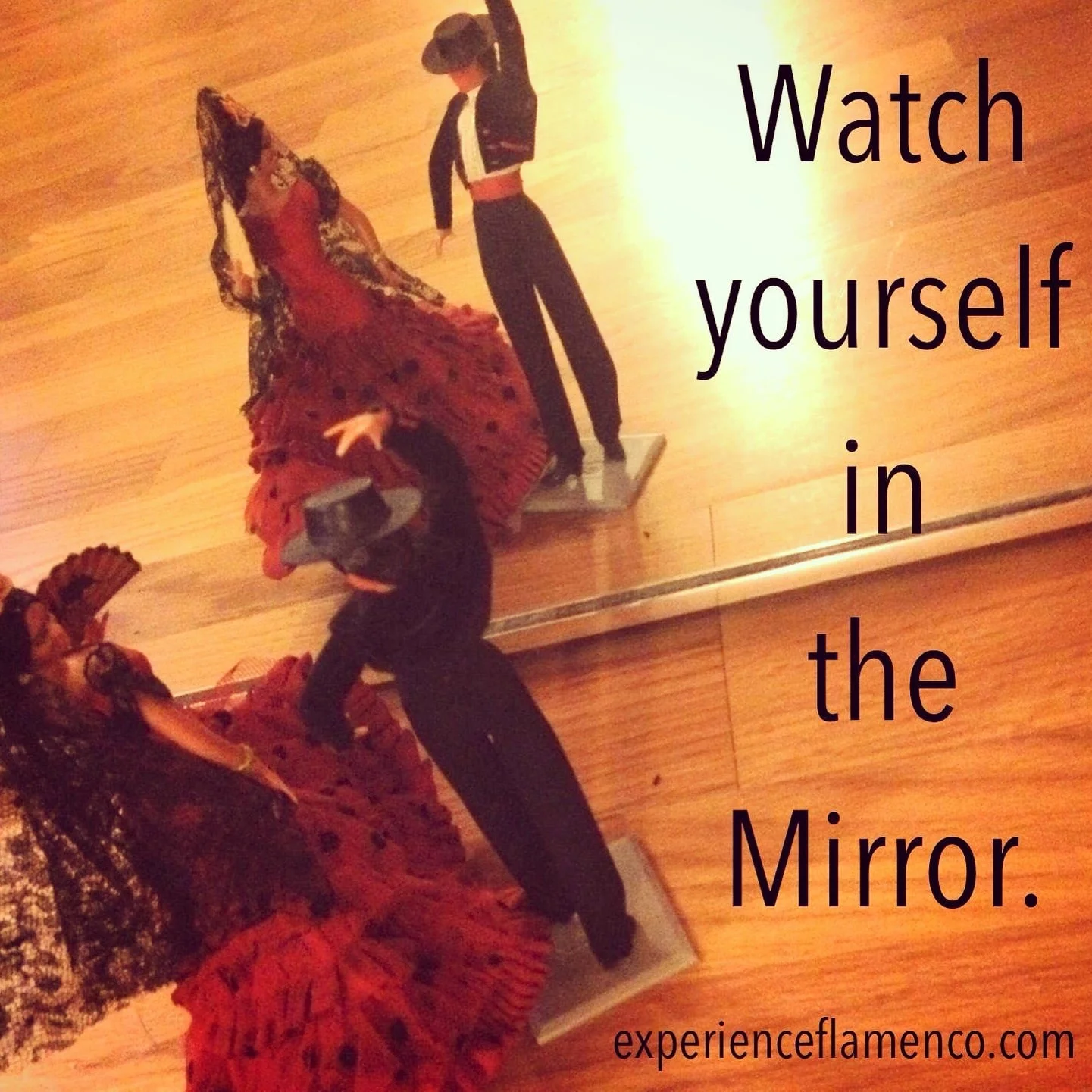
Now I know you may not want to, but please, look in the mirror.
Por favor.
This is essential.
Especially when you're at home with no teacher there to correct you, other than the David (for the purposes of this mini-challenge) inside your head.
Allow the mirror to become your imaginary teacher, and listen to his corrections.
Once you’re finished reading this, I want you to get up, go the the closest mirror, do a move, and notice,
How do you look?
If something doesn’t look right, consider your basic technique,
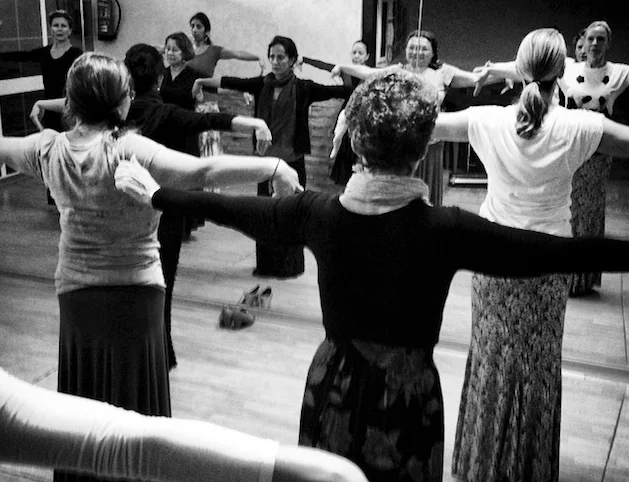
How are you holding your elbows?
Do you need to move your arms farther away from your body, or closer perhaps?
It’s time to become a better flamenco dancer. And it’s time to use our imaginations to help us do that.
You may remember the Dance As If You Were in Class with Mercedes Holiday Challenge. Well, this week begins the Dancing With David Even Though We’re Not With David Mini-Challenge.
You know how much I like to pretend.
You most likely saw last week’s video interview with David Romero. And you could probably tell by watching that he is a fabulous teacher with all kinds of wonderful information to share. So, for the next week I’ll be channeling David on a daily basis in order to learn from him from the comfort of my own home.
Care to join me?
(Check out the video at the end of this post if you'd like to see David dance.)
Why would I want to participate in this mini-challenge?
How will it work?
In November 2013 after the Flamenco Tour to Jerez was finished, I traveled to Barcelona to study with David Romero. (And to research holding a flamenco trip there with him, which is happening in November, woot!) My friend Stefani and I had daily classes with David (our own private flamenco workshop). Often times we would meet with him before or after class to have a coffee and chat.
The interview took place in the little restaurant by the studio where we used to meet. We had lunch. We had café. And then we got to filming.
We did some shooting inside, some outside. I filmed some, Stefani filmed some. A couple of clips cut off in strange places because, well, I guess I stopped or started shooting too early or too late. Oops. I did my best to edit out the background noise, but you will definitely hear some potatoes being fried, sirens, a few outside voices, stuff like that. You'll also see some ladies on their way to the restroom, which happened to be our backdrop during part of the interview. I guess it all adds to the ambiente, the ambiance . . .
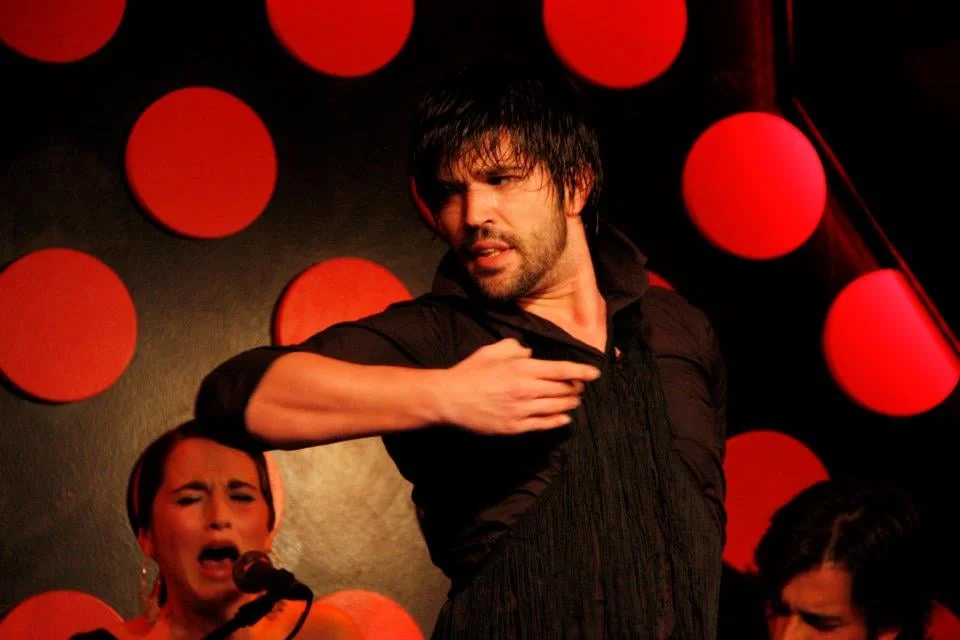
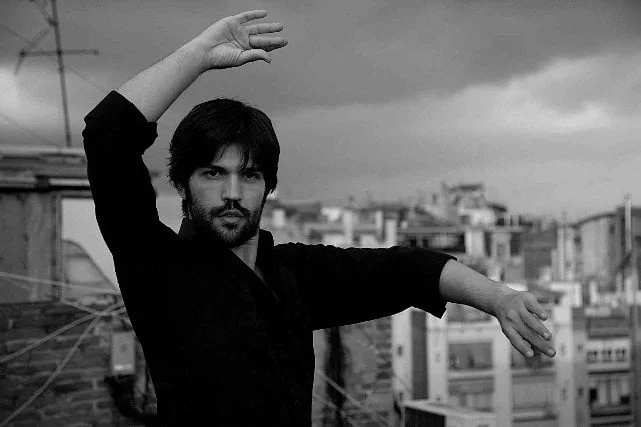
David has been dancing since he was three years old. He grew up going to peñas and hearing flamenco. He's from Barcelona, but his family is from Andalucía. In the video David talks about how his parents, originally from Huelva in Andalucía, ended up in Barcelona, the influences of hearing flamenco in his home, how he began dancing flamenco professionally (in a tablao when he was underage, having to run and hide when the authorities came by), his teaching philosophy, how he goes about creating a choreography and even just creating a step.