![Remate por Tangos [Flamenco Dance Steps]](https://images.squarespace-cdn.com/content/v1/568079e7bfe873f15c115eee/1788909538633-ZW94NP3T8XT5X5AZJUMO/IMG_2168.jpg)
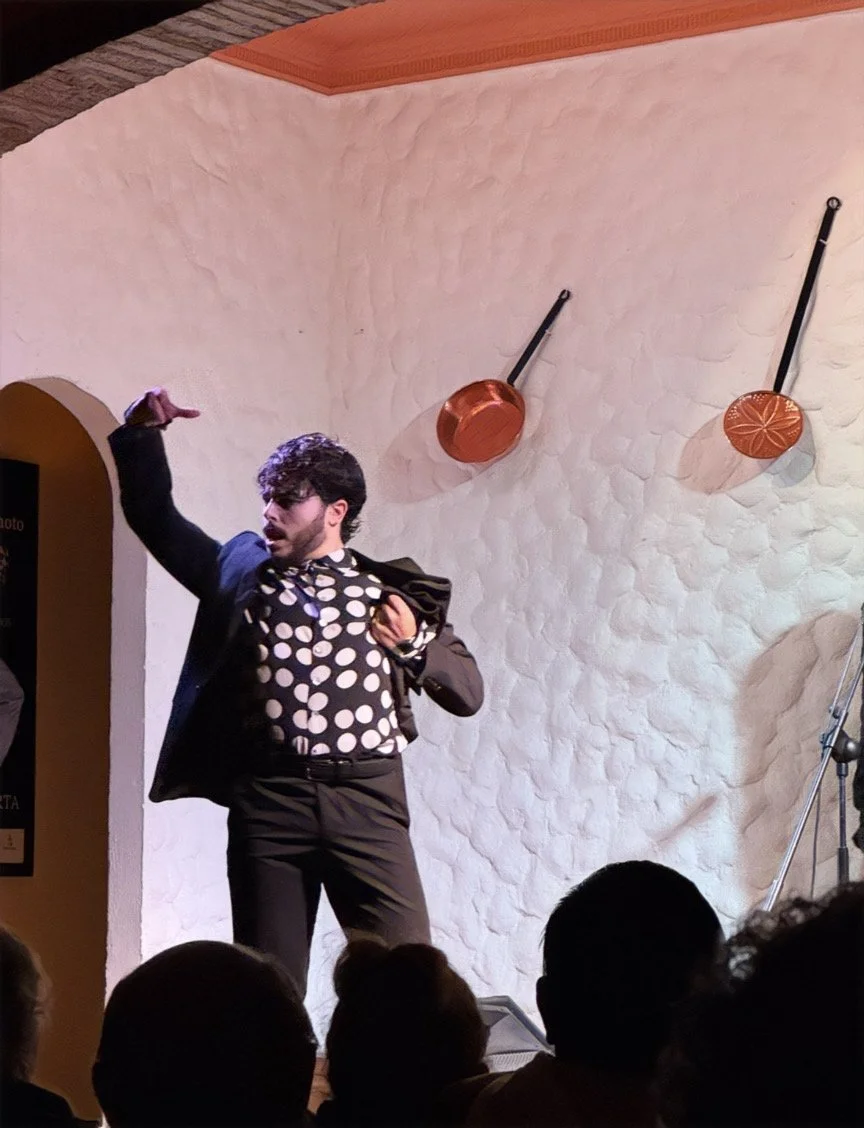
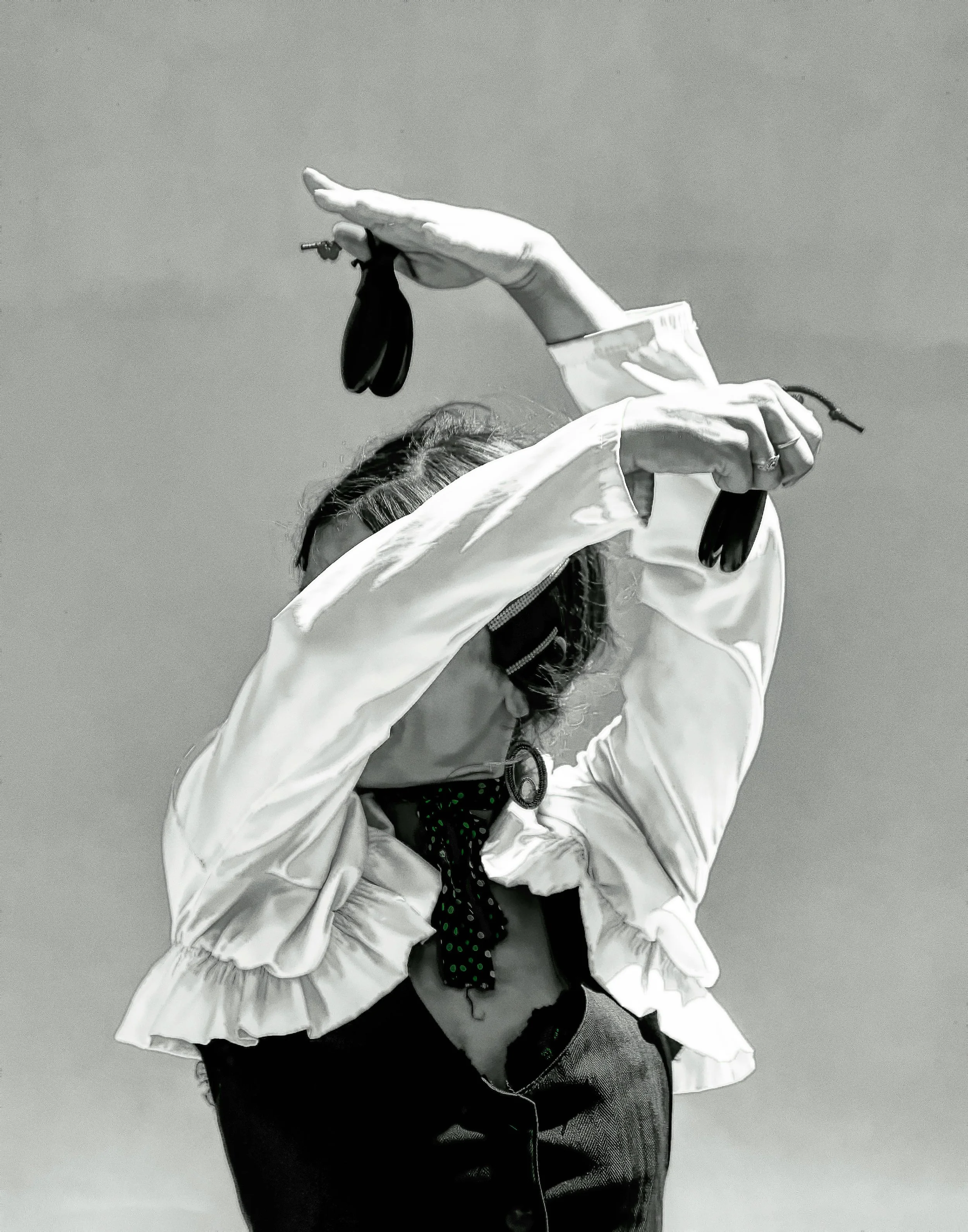
Here’s a flamenco dance step for your tangos repertoire.
Use this tangos remate either when the singer takes a respiro or at the end of a line of cante.
You could also use it when the guitar finishes a phrase.
How to dance flamenco, flamenco travel in Spain, flamenco dance students and their experiences, interviews with flamenco artists, translations of flamenco letras (songs) from Spanish to English
Here’s a flamenco dance step for your tangos repertoire.
Use this tangos remate either when the singer takes a respiro or at the end of a line of cante.
You could also use it when the guitar finishes a phrase.
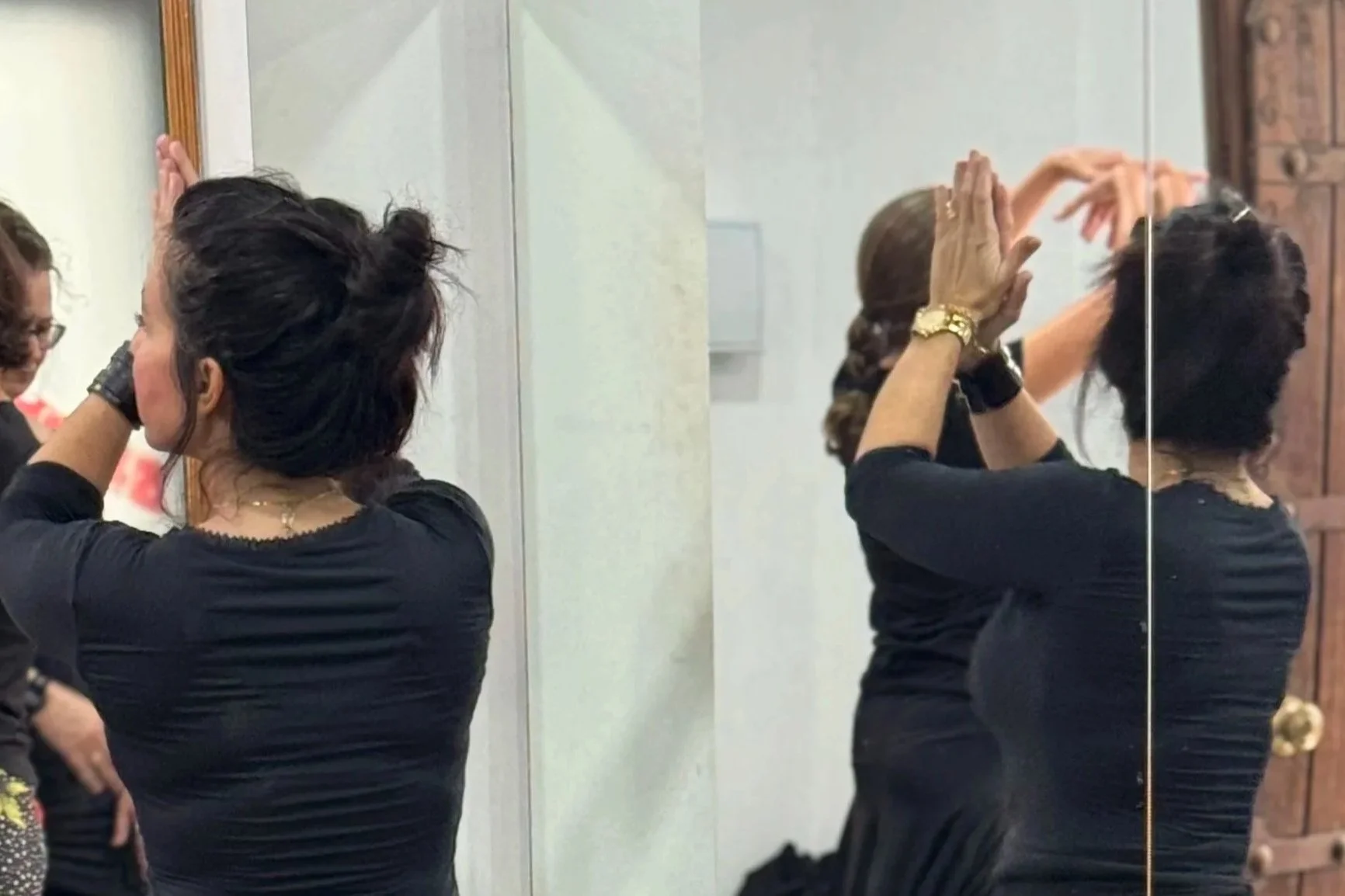
Let’s take a peek into the studios of some of the best.
The following four clips allow you to be a fly on the wall during rehearsals.
Here’s a bulerías move for you to try.
Use this flamenco step as an exercise to practice your contratiempo and skirt technique, or add it to your pataíta, your bulerías dance.
We begin this move with a marcaje, a marking step.
And finish with a contratiempo accent.
Below find five bulerias videos to offer you inspiration and delight.
The dancers span a variety of ages,
And they all have mucho arte.
Watch here
Ready to do some stomping and slapping?
Then try this bulerías move
You could add this remate to any bulerías marcaje, llamada, or another remate.
Ever find yourself getting stuck in your head when you dance?
I know how you feel.
Here are some ideas on how to deal with that.
Today, a step from the archives.
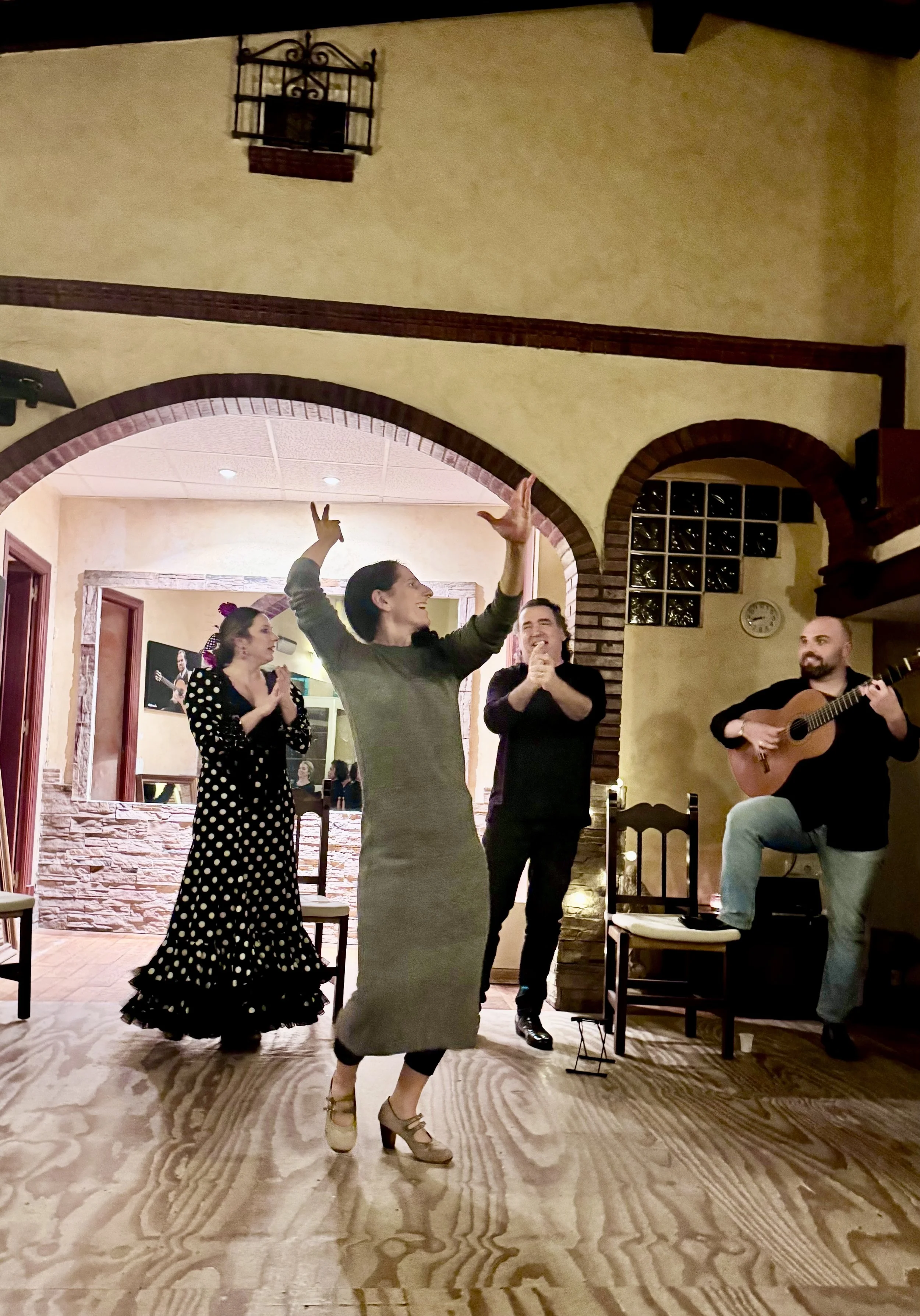
It’s a salida por bulerías,
An entrance.
It’s a way to announce yourself,
“Hello, I’m coming out to dance.”
Here’s a flamenco marking step paired with a turn for you to try.
Once you have the step down, play one of your favorite flamenco songs in the 12-count compás, and dance it with the music!
Here’s a video of Juan Tomás de la Molía that you will love followed by a letra from the clip.
You can hear this bulerías letra around 1:30:
Como la mujer que es loca…
You’ll love the following clip of Estefania “Esther” Aranda, one of our teachers on the Flamenco Tour to Jerez dancing when she was just a little girl.
Wow!
Here is a coletilla Antonio Malena sings her:
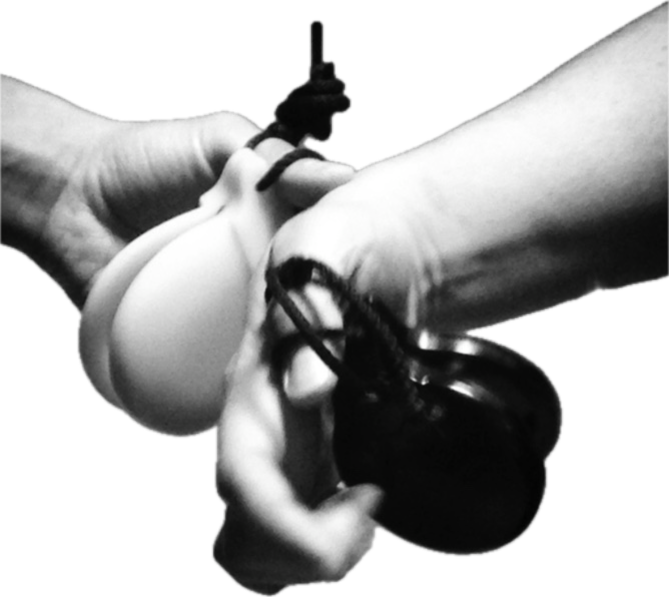
Before we can begin to play castanets, we must make sure the strings are knotted correctly.
A proper castanet knot allows you to tighten your castanets by pulling on one side of the string and to loosen them by pulling on the other.
Here’s how you do it, step by step.
Follow the video tutorial here and get your castanets ready to play!
💫Welcome to a brand new year.💫
Let’s start things off by celebrating some happy flamenco memories from the past year.
Below I share some of my favorite flamenco experiences from 2025. I would love to hear about some of your favorites too!
Below enjoy ten classic flamenco dance clips,
One for (almost) every decade of the 20th century.
You'll see Rosario y Antonio, La Argentinita, José Greco, Vicente Escudero, Sarita Heredia, Lola Flores, Antonio Gades, Laura del Sol, José Antonio, Manuela Vargas, and some very old footage of gitanas from El Sacromote including La Chata la Jampona.
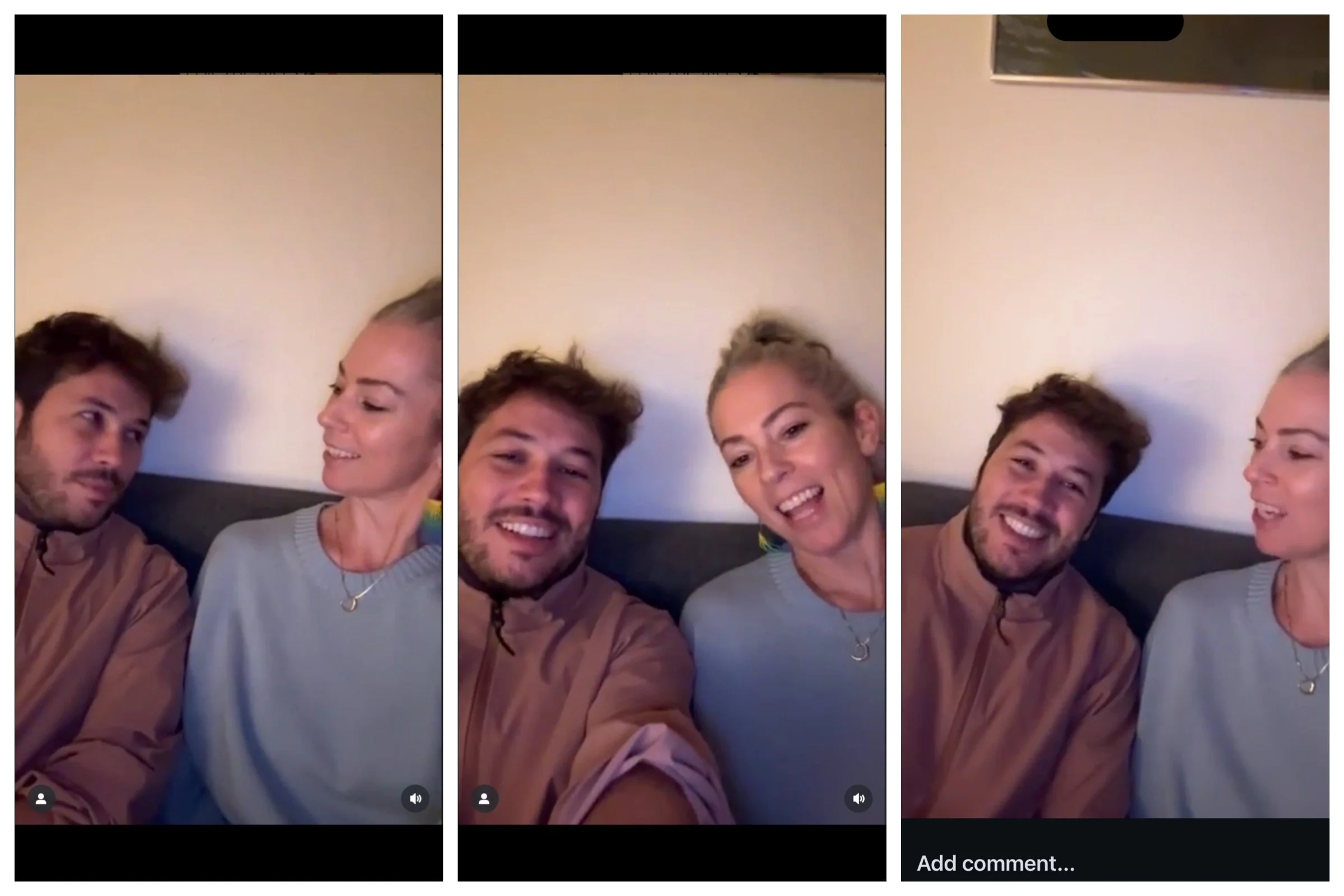
Get to know Emilio Ochando!
Emilio and I jumped onto Instagram and did a quick live upon his arrival to Portland this evening.
Check it out here
Do you ever feel like you can execute a certain step, but no matter how many times you try, it just doesn't look right?
I've been there!
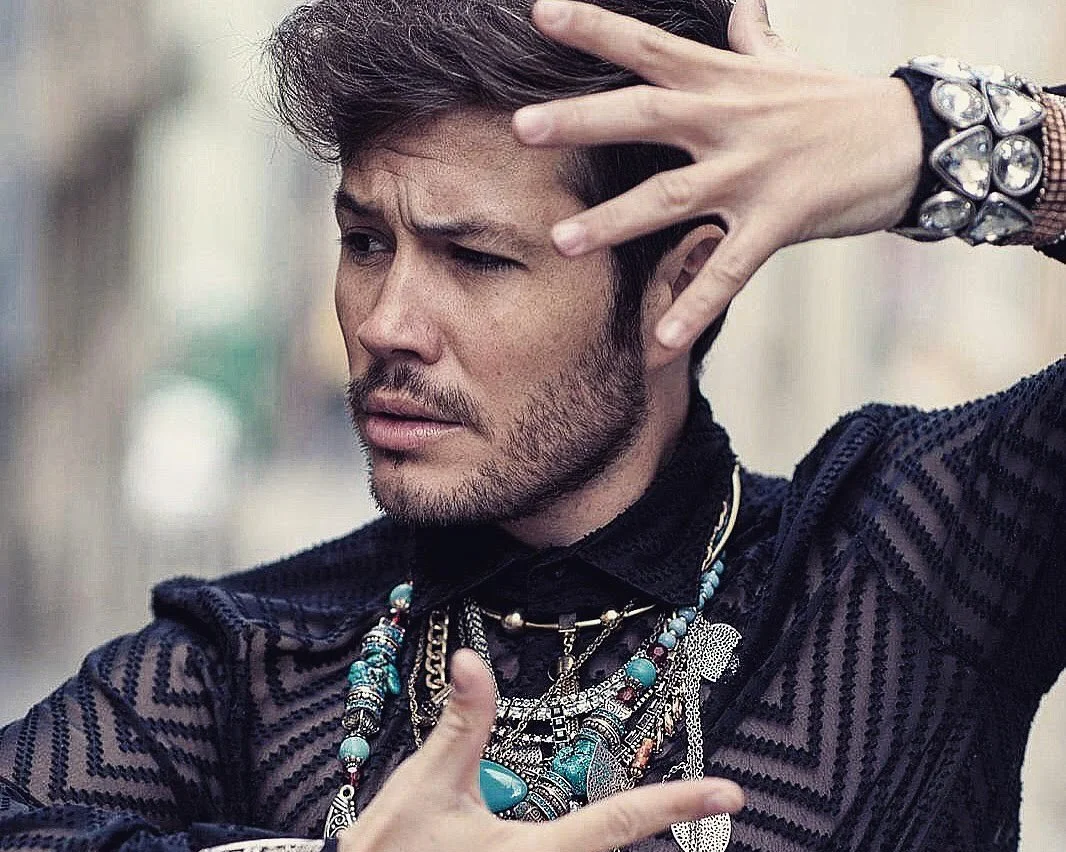
One of the people who's helped me the most with technique is Emilio Ochando.
Below find eight technique tips I’ve taken away from past classes with Emilio.
Here’s a basic flamenco marking step with abanico that you may incorporate into any dance in the rhythm of twelve.
This step is for beginning students who are new to abanico and the the 12-count rhythm.
In the video tutorial I show it at a slow speed,
Once you learn it increase the speed to the tempo you want.
Check out Emilio Ochando rehearsing with Yoel Vargas for Flamenco Vivo’s Quinto Elemento:
Flamenco class should be fun.
If we don’t enjoy the learning process we get blocked and struggle.
Find teachers who inspire you,
I asked Cristina Hall to tell me about her creative process:
“It’s always very different…
When I asked Cristina Hall what piece of advice she could offer flamenco dance students she told me she didn’t like giving advice “because I think it’s all relative; who am I to say anything?”
Still, she was willing to recommend the following:
First she encouraged listening to a lot of music,
![A Bulerías Step with Contratiempo [Flamenco Dance Steps]](https://images.squarespace-cdn.com/content/v1/568079e7bfe873f15c115eee/1784792779109-K3YW48VM6R70X0RX7BMV/Red+and+Blue+Text+Message+Emoji+Rules+Tutorial+Youtube+Thumbnail+1.png)
![Learn This Bulerías Remate [Flamenco Dance Steps]](https://images.squarespace-cdn.com/content/v1/568079e7bfe873f15c115eee/1780345044613-VWM6UWX3GM3U57G76FDU/IMG_1168.jpg)
![Bulerías Salida [Flamenco Dance Steps]](https://images.squarespace-cdn.com/content/v1/568079e7bfe873f15c115eee/1775773734744-R80E4HCQ6T1R8M2Y0KYW/IMG_0432+5.jpg)
![Flamenco Marcaje With a Turn [Flamenco Dance Steps]](https://images.squarespace-cdn.com/content/v1/568079e7bfe873f15c115eee/1774310663476-N9GGMGH5ZBAN7I6WL5Z9/IMG_0288.jpg)